
Crowns & Bridges

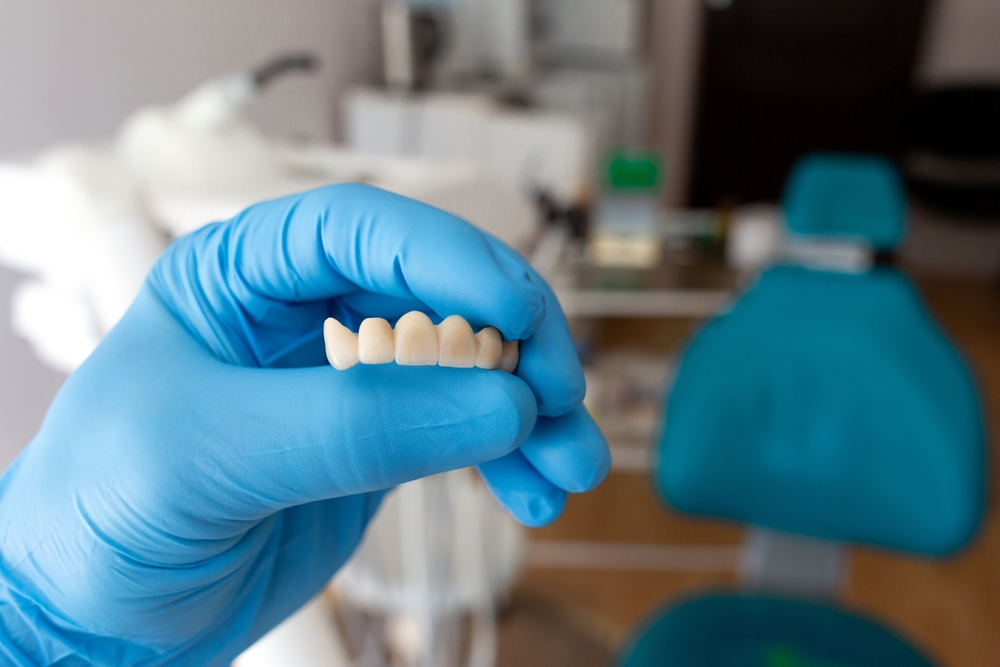
A dental crown covers and caps a damaged tooth to restore its normal shape, strength, and function, while a dental bridge closes the gap left by one or more missing teeth by anchoring an artificial tooth to the teeth on either side of the space.

People have protected damaged teeth for thousands of years; historical dental records describe early bridge-like work using gold bands to secure replacement teeth in place. Today’s crowns and bridges rely on digital scans and materials like porcelain and zirconia, making them one of the most reliable ways modern dentistry protects a smile and keeps it fully functional.

Online Booking

Meet the Doctor & Team

Dr. Dimple Sharma, DDS, is the founder of New Hope Dentist in Cedar Park, TX, and a graduate of the NYU College of Dentistry. She founded the practice in 2017 after gaining experience at multiple dental practices across Texas, and today she provides comprehensive dental care to patients throughout Cedar Park, Leander, Liberty Hill, and the surrounding communities.

With more than 10 years of experience, Dr. Sharma pairs advanced clinical skill with a fully digital, minimally invasive approach to restorative treatments like crowns and bridges, so every case is handled with precision and care. She is a licensed Texas dentist (License No. 27157, verifiable through the Texas State Board of Dental Examiners). She regularly attends continuing education courses to stay current on the latest techniques and technology. Fluent in English, Hindi, and Punjabi, Dr. Sharma is known for taking time to explain treatment clearly so every patient feels comfortable, informed, and cared for.

Learn About Your Doctor!

Dental Bridges in Cedar Park, TX

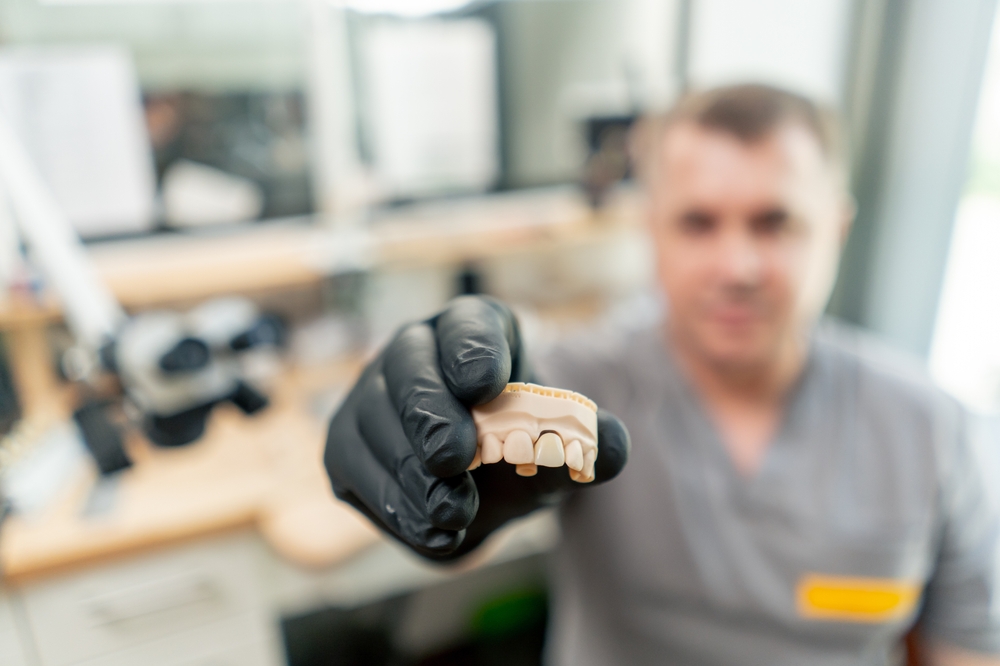
Missing one or more teeth? A custom dental bridge can beautifully restore the look, feel, and function of your smile. At New Hope Dentist in Cedar Park, we offer personalized, high-quality dental bridges designed to help you eat, speak, and smile with confidence.

Pros of Smile Restoration with a Fixed Dental Bridge:

  • Restore your ability to eat and speak clearly
  • Prevent surrounding teeth from shifting
  • Support your natural face shape and jaw alignment
  • Give you back a complete, confident smile

Types of Dental Bridges

  • Traditional Dental Bridge: The most commonly used option. This type of bridge uses adjacent teeth as support by placing protective caps over them to hold the bridge securely in place.
  • Cantilever Bridge: Used when there is only one adjacent tooth next to the gap. This option is less stable and typically recommended for low-pressure areas like the front of the mouth.
  • Maryland Bridge (Resin-Bonded): Often used to replace front teeth. This conservative option uses metal or ceramic wings bonded to the back of adjacent teeth, avoiding the need for crowns.
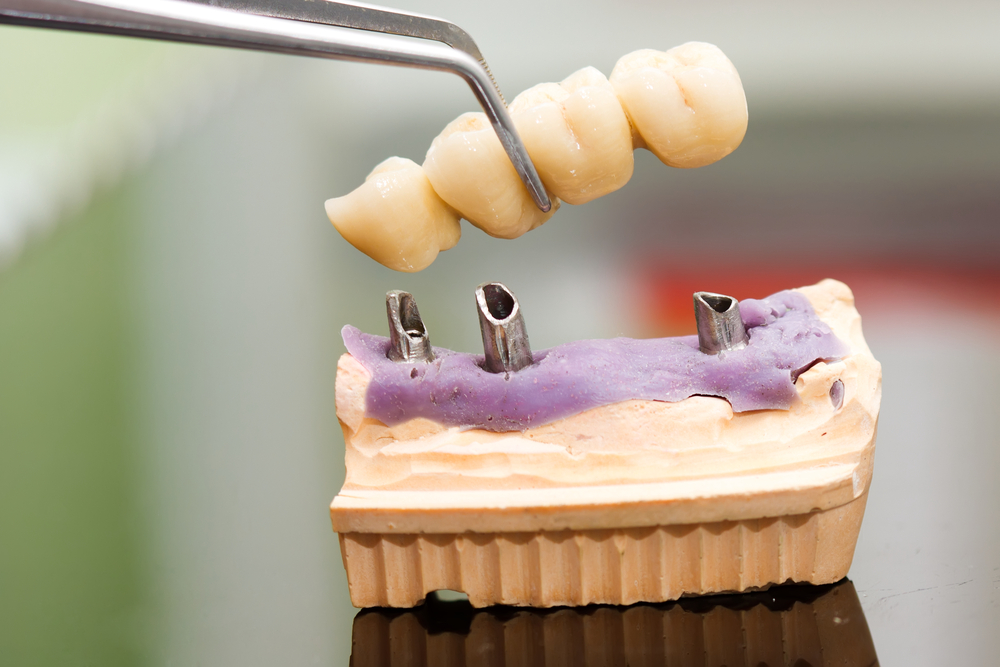
  • Implant-Supported Bridge: The most stable and long-lasting choice. This bridge is supported by dental implants instead of natural teeth, ideal for patients missing several teeth in a row.

What to Expect from the Dental Bridge Procedure

  • First Visit: Preparation and Impressions. We gently reshape the supporting teeth and take digital impressions. A temporary bridge is placed to protect your teeth and maintain your bite.
  • Second Visit: Bridge Placement. We fit your custom bridge, check the bite and appearance, and permanently cement it in place. Final adjustments ensure comfort and a natural look.

Caring for Your Bridge

Good oral hygiene and regular dental visits help extend the life of your bridge. Tips include:

  • Brush twice daily and floss under the bridge using a floss threader or water flosser
  • Avoid chewing on hard foods like ice or popcorn kernels
  • Keep up with routine dental cleanings and exams

Is a dental bridge right for you? You may be a good candidate if:

  • You are missing one to four teeth in a row
  • You have healthy teeth or implants to support the bridge
  • You are looking for a fixed, natural-looking tooth replacement

If gum disease, decay, or jawbone loss is present, we will address those issues first.

Conditions, Symptoms & Pain

Speak to a Professional!

Prevention & Hygiene Education

Good daily habits go a long way toward preventing the damage and gaps that lead to a crown or bridge in the first place. Brushing twice a day, flossing daily, and avoiding hard foods like ice or popcorn kernels all reduce your risk of cracked teeth and decay. Routine dental exams matter just as much, since they let your dentist catch small problems, like a weakening tooth or early decay, before they become bigger ones.

Popular Home Remedies/DIY

Clove oil is one of the most talked-about home remedies for tooth pain, often applied directly to a sore area for its numbing effect. Temporary tooth repair kits are also popular for a chipped tooth or a lost filling, giving people a quick fix until they can get to a dentist. Both can offer short-term comfort, but neither addresses the underlying cause of the pain or damage.

Myth Busting

Research indicates clove oil’s active ingredient, eugenol, does have real pain-relieving properties. A randomized clinical trial found that clove oil worked about as well as a common topical anesthetic, and both outperformed a placebo. Even so, regulators note there still isn’t enough evidence to call it a reliable standalone treatment, and it isn’t a substitute for treating the actual problem.

Temporary repair kits carry similar limits, and even a minor chip is worth having a dentist examine rather than covering up at home, since delaying treatment for whatever caused the damage can let the underlying problem get worse. Both remedies can ease discomfort for a day or two, but they work best as a stopgap before your next dental visit, not a replacement for one.

How We Restore Your Smile with Crowns & Bridges

Your First Visit: Exam and Consultation

Every treatment starts with a conversation. Dr. Dimple Sharma examines the affected tooth or gap and reviews your oral health history to understand what’s going on. Digital scans help pinpoint the exact issue without messy impressions. This visit gives you a clear picture of your options before any work begins.

Planning Your Crown or Bridge Treatment

Once we understand your needs, we build a plan around them. This includes choosing the right crown or bridge type, whether porcelain, zirconia, or an implant-supported option, based on the tooth’s location and your goals. We’ll walk you through timing, materials, and what to expect at each step. Your plan is designed specifically for your mouth, not a one-size-fits-all approach.

Preparing Your Tooth and Placing Your Restoration

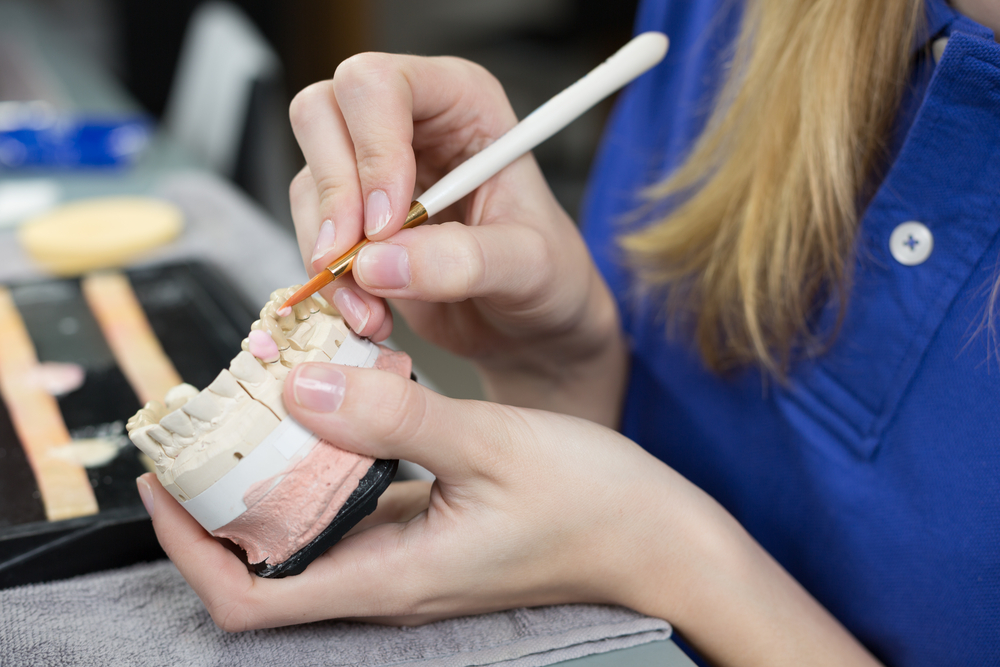
Treatment typically happens over two visits. First, we prepare the affected tooth or teeth and take digital scans to send to a trusted dental lab. A temporary crown or bridge protects the area while your permanent restoration is crafted. At your second visit, Dr. Sharma bonds the finished piece securely in place.

What to Expect After Your Appointment

Once your crown or bridge is placed, a little care goes a long way. Brush twice daily and floss around the restoration, using a threader or water flosser for bridges. Avoid chewing on ice or other hard objects that could damage the surface. Simple habits like these help your restoration hold up for years.

Following Up on Your New Restoration

After placement, we check in to make sure your bite feels comfortable and everything looks right. We review the fit and function during your next routine visit to catch any small adjustments early. Regular checkups also let us monitor the surrounding teeth and gums. This ongoing attention helps your restoration perform well for the long haul.

Cost & Insurance

Restoring a damaged or missing tooth is a manageable investment for most patients, and many dental insurance plans help cover part of the cost. The figures below reflect national industry averages, not what you’d pay at New Hope Dentist, so contact our team directly to confirm exact pricing and payment options.

Industry Average Pricing: Crowns

Nationally, a porcelain crown commonly runs somewhere between roughly $900 and $3,300 depending on the material and complexity of the case. However, you can look up more precise, location-based estimates using a free nonprofit cost-lookup tool built from real insurance claims data. These numbers are industry-wide estimates and are not a quote for treatment at our office. If you’d like to see how we’ve made crowns more accessible than many practices, reach out to our team to verify your exact plan and rate.

Industry Average Pricing: Bridges

A traditional three-unit bridge commonly falls somewhere between roughly $4,000 and $9,500 nationally, depending on the materials used and the number of teeth being replaced, and the same free cost-lookup tool can give you a more location-specific figure. Again, this is a general industry benchmark rather than a specific price for your case. Contact our team for a personalized estimate once we’ve had a chance to examine your smile.

Common Insurance Providers

The large majority of Americans carry some form of dental benefit plan, and national carriers like Delta Dental, MetLife, Cigna, Aetna, Guardian, and UnitedHealthcare are among the most commonly held. This list reflects widely held national providers and isn’t a guarantee of what New Hope Dentist accepts, so please speak with a member of our team to confirm your specific insurance or payment method.

Speak to a Professional!

Let’s Get That Smile Back on Track!

Dr. Dimple Sharma, DDS, has helped patients throughout Cedar Park protect cracked teeth and rebuild missing ones with crowns and bridges that look and feel natural. Most cases take just two visits from start to finish, with a temporary restoration keeping you comfortable in between. When you’re ready, New Hope Dentist is available at 512.259.6577 or follow along on Facebook, Instagram, and X to see recent smiles we’ve restored.

Online Booking

FAQs

Dental Bridge vs. Implant: What’s the difference?

Dental bridges are often quicker and more affordable upfront. Implants take longer to place but preserve jawbone health and do not require reshaping neighboring teeth. We will help you decide the best option for your needs during your visit.

How long do dental crowns last?

High-quality dental crowns typically last 10 to 15 years or longer with proper care. Brushing twice daily, flossing, and avoiding hard foods like ice all help extend their lifespan. Regular dental checkups also allow us to catch any wear early. With good habits, many patients get well beyond 15 years from a single crown.

How much does a dental crown cost?

Crown costs vary depending on the material used and the complexity of your case. Porcelain, zirconia, and porcelain-fused-to-metal crowns each come with different price points, and national averages typically fall between roughly $900 and $3,300. Many dental insurance plans cover a portion of the cost, so we recommend reviewing your benefits with us. We’re happy to walk through pricing details during your consultation.

Can an MRI be done with dental crowns?

Yes, most dental crowns are safe for MRI scans since they’re made from materials like porcelain, zirconia, or metal alloys that don’t typically interfere with imaging. It’s still a good idea to let your medical provider know about any dental work beforehand. In rare cases involving certain metal components, your provider may take extra precautions. Always share your full dental history before any imaging procedure.

How much would a dental bridge cost?

The cost of a dental bridge depends on the type you choose and how many teeth it needs to replace, with national averages for a traditional bridge often landing around $4,000 to $9,500. Traditional, cantilever, Maryland, and implant-supported bridges each come with different price ranges. Many insurance plans help offset part of the cost, and we can review your coverage with you. We’ll provide a clear estimate once we understand your specific case.

How long does a dental bridge last?

Most bridges last 10 to 15 years or more with proper care.

Can I eat normally with a bridge?

Yes. Once adjusted, most patients eat comfortably. Avoid very hard or sticky foods.

Will a dental bridge look natural?

Yes. Each bridge is matched to your natural teeth in color, shape, and size.

Is a dental bridge covered by insurance?

Many dental insurance plans cover part of the cost. We can help you review your benefits.

Can I replace an old bridge with a new one?

Yes. If your bridge becomes worn or loose, we can replace it with a new, more modern version.

Is a dental bridge permanent?

A traditional fixed bridge is designed to stay in place permanently once it’s cemented, unlike removable options such as dentures. With good oral hygiene and regular checkups, a well-maintained bridge can last 10 to 15 years or more. Over time, it may eventually need replacement due to normal wear. Your dentist can monitor its condition during routine visits.

How long after dental bridge placement can I eat hot food?

Most patients can return to eating normally within a day or two once any numbness from the procedure wears off. It’s best to start with softer foods and lukewarm temperatures at first to avoid discomfort. Once your mouth feels fully adjusted, hot food shouldn’t cause any issues. If you notice ongoing sensitivity, let us know so we can take a look.