
A dental bone graft adds new bone material to your jaw to rebuild areas that have thinned or shrunk, most often after tooth loss, gum disease, or injury. Bone grafting has grown into one of the most frequently performed procedures in modern dentistry, with an estimated 2.2 million bone-grafting procedures performed worldwide every year. Today’s grafts rely on your own bone, donor bone, or synthetic material to give your jaw the strength it needs to support an implant or protect the teeth around it.
Bone Grafts


Meet Dr. Dimple Sharma, DDS
With a bone graft, most of the real decision-making happens before you ever sit in the chair, in how carefully the case gets read on imaging. Dr. Dimple Sharma treats that evaluation as the most important part of the visit, since the graft material, size, and technique she recommends all depend on details a quick look wouldn’t catch.
She’s sharpened this approach over more than ten years in practice, starting with her dental degree from the NYU College of Dentistry and continuing through restorative work at several Texas offices before she founded New Hope Dentist in 2017. Her Texas dental license remains active and verifiable through the Texas State Board of Dental Examiners, and she keeps her training current specifically on graft materials and surgical technique, consulting with patients in English, Hindi, or Punjabi so every part of the plan is fully understood before treatment begins.
Signs You May Need a Bone Graft
Bone loss in the jaw usually shows up quietly at first. A missing tooth that’s never been replaced, a denture that no longer fits snugly, or a dentist mentioning “insufficient bone” during an implant consultation are all common ways patients first learn about it.
Advanced gum disease can also wear away the bone that anchors your teeth, leading to looseness or shifting over time. A bone graft rebuilds that lost structure, giving your jaw a stable foundation again for an implant, a denture, or your remaining natural teeth.
You're Not Alone in This
If a dentist has recommended a bone graft, you’re in very common company, and the outcomes tend to be reassuring. A retrospective study following patients for a year after treatment found that bone grafting achieved a 92.8% success rate, with the implants placed in those grafted sites reaching a 95.5% survival rate.
Needing a graft isn’t a sign that something has gone wrong with your care; it simply reflects how bone naturally responds to tooth loss, and it’s one of the most predictable procedures in restorative dentistry today.
When should you seek a professional?
Timing matters more than symptoms in this case, since bone loss doesn’t usually hurt. Oral surgeons who specialize in extractions and bone preservation generally advise placing a graft sooner rather than later when future dental work, like an implant, is part of the plan, since resorption tends to accelerate the longer a space is left untreated.
This isn’t a hard-and-fast rule for everyone, and plenty of patients wait months or longer without complications. If you’ve had a tooth removed recently, been told your bone is thin, or you’re planning an implant, that’s a reasonable point to bring it up at your next visit.

Prevention & Hygiene Education
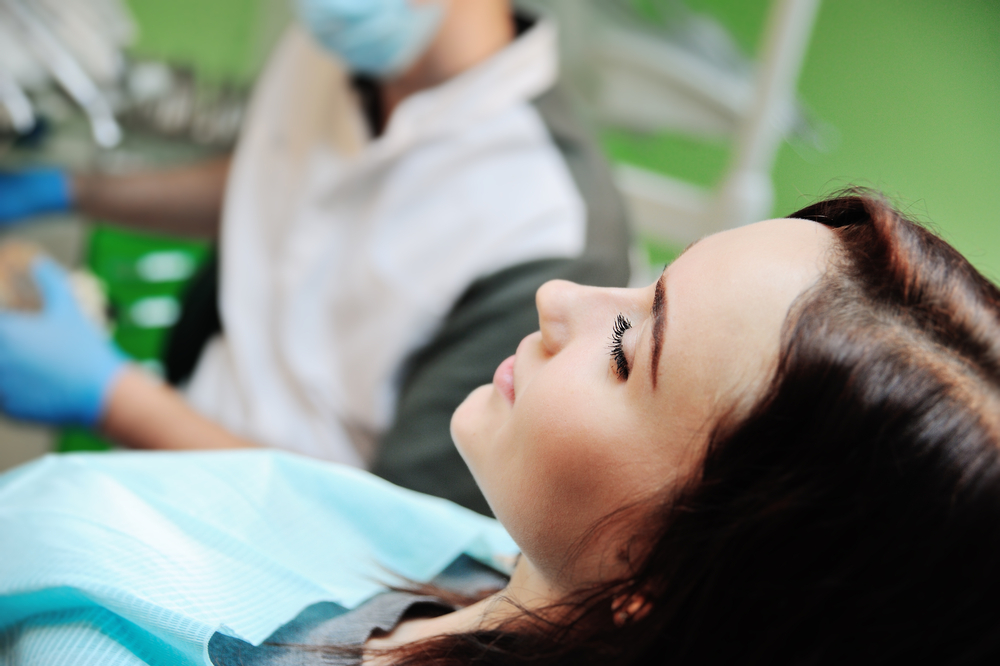
Protecting the bone you already have is the best way to avoid needing a larger graft later. Brushing twice daily, flossing, and keeping up with routine cleanings help prevent the gum disease that slowly erodes bone around your teeth. If you’ve recently lost a tooth, asking about socket preservation right away, rather than waiting, can also limit how much bone is lost before any future treatment.
Popular Home Remedies/DIY
Calcium supplements, bone broth, and collagen powders are widely marketed online as ways to rebuild bone density naturally without a dental procedure. These options appeal to people who’d rather try something at home before committing to surgery, and they’re easy to find at any grocery store or pharmacy. For general skeletal health, some of these habits aren’t harmful, but they aren’t designed to regenerate the specific bone loss that happens in your jaw after a tooth is gone.
Myth Busting
Research on calcium supplementation specifically indicates that extra calcium beyond what your diet already provides offers little to no lasting boost to bone density, and studies have found no meaningful reduction in fracture risk even after years of use.
The evidence behind bone broth is even thinner, since its actual calcium content is far lower than people assume and isn’t concentrated enough to affect healing meaningfully. Neither approach can replace lost jawbone or recreate the stimulation a tooth root once provided, which is why a surgical graft remains the only way to rebuild that specific area.
How We Rebuild Your Jawbone
Cost & Insurance
A bone graft is a manageable investment for most patients, and many dental insurance plans help offset part of the cost when the procedure is medically necessary. The figures below reflect national industry averages, not a quote for treatment at New Hope Dentist.
Industry Average Pricing
Recent 2026 pricing data puts the national average cost of a dental bone graft at around $1,500, with a typical range of $300 to $3,000 depending on the graft material and complexity of your case. These numbers are industry averages only. If you’d like to learn how New Hope Dentist has worked to make bone grafting more accessible than many practices, or want your exact rate, please contact our team directly.
Common Insurance Providers
Carriers with strong nationwide reputations for restorative and oral surgery coverage include Anthem Blue Cross Blue Shield, Physicians Mutual, and MetLife, among others widely held by patients across the country. This list reflects general industry information and isn’t a guarantee of what New Hope Dentist accepts or what your specific plan covers. To verify whether we accept your insurance or preferred payment method, please speak with a member of our team.
Give Your Jaw the Foundation It Needs
A thinning jawbone won’t rebuild itself, but a properly placed graft can start restoring that strength before it affects anything else. Dr. Dimple Sharma matches every graft plan to the bone loss she actually sees on your imaging, not a standard template applied to every patient. Ring New Hope Dentist at 512.259.6577 to get started, or catch our latest patient stories and dental tips on Facebook, Instagram, and X.
FAQs
How to speed up bone graft healing?
Eating a protein-rich diet with enough vitamin C, calcium, and zinc supports the healing your body needs after a graft. Resting for the first several days, avoiding tobacco, and gently keeping the area clean without disturbing it also helps. Skipping strenuous exercise for about a week reduces swelling and protects the graft site. Attending every follow-up appointment lets your dentist catch and correct small issues before they slow healing further.
How long does a dental bone graft take to heal?
Most patients notice initial healing within about a week, but full integration with your natural bone typically takes three to nine months. Larger grafts or more complex cases, like sinus lifts, can take longer than smaller socket grafts. Your dentist confirms healing progress with imaging before recommending any next step, such as an implant. Sticking to your aftercare instructions closely tends to keep recovery on the faster end of that range.
When can I eat solid food after a bone graft?
Most patients stay on soft foods for one to two weeks, gradually returning to firmer textures over the following couple of weeks as the site strengthens. Chewing on the opposite side of your mouth during this time helps protect the graft from unnecessary pressure. Your dentist will tell you when it’s safe to fully resume your normal diet based on how your healing is progressing. Rushing back to hard or crunchy foods too soon raises the risk of disturbing the site.
How to tell if a bone graft fell out?
A few small, sand-like granules coming loose in the first several days is normal and not a cause for concern. What’s not normal is a large piece of graft material working its way out, persistent pain that worsens instead of improving, or gum tissue that keeps pulling back from the site. If you notice ongoing swelling, a bad taste, or visible exposed bone after the first couple of weeks, contact your dentist rather than waiting to see if it resolves on its own.
Can you get a dry socket with a bone graft?
Yes, a bone graft doesn’t fully rule out dry socket, since research on the condition hasn’t shown grafting to be a reliably protective factor. A systematic review of dry socket prevention found the condition affects roughly 3% of routine extractions overall, though that risk climbs substantially for more difficult procedures. Avoiding smoking, straws, and vigorous rinsing in the first few days lowers your risk regardless of whether a graft was placed. Sharp or worsening pain a few days after treatment is worth a call to your dentist rather than waiting it out.